New at Paragon: StemWaveLearn more
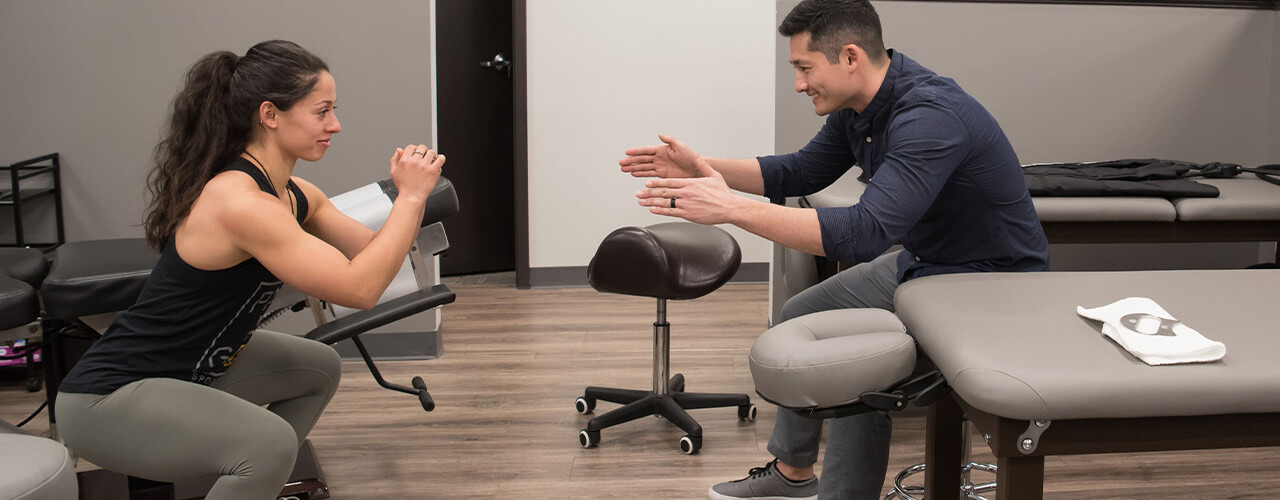
Therapist coaching a patient through a supported squat

Exercise & movement

Personalized exercise, strength and balance training that builds you back stronger and helps keep the problem from coming back.

Every specialty, one roofOne shared plan for your careWe verify your insurance before your first visit

Every exercise program we offer

Tap one to jump to it. Your plan is built around your body, your goals and how you respond, so every visit is time well spent.

Therapeutic Exercise

Targeted exercises that rebuild strength, flexibility, endurance and balance for your specific problem.

What is therapeutic exercise?

Therapeutic exercise is the foundation of nearly every physical therapy plan. Each exercise is chosen to address the specific weakness, stiffness or movement pattern behind your pain, not pulled from a generic handout.

Your therapist progresses the program as you improve and teaches you a home routine, so you keep getting better between visits and after discharge.

How it can help

  • Builds strength where you need it
  • Improves flexibility and mobility
  • Restores balance and coordination
  • Helps keep the problem from coming back

Therapeutic Exercise may help with

  • Back, neck and joint pain
  • Recovery after injury or surgery
  • Arthritis
  • Balance problems

What to expect

  1. 1
    Baseline

    We measure strength, mobility and function to set clear goals.

  2. 2
    Coach

    Your therapist guides you 1-on-1 through each exercise with precise form.

  3. 3
    Progress

    Exercises advance as you improve, with a home program to match.

Strength Training

Progressive, supervised loading that rebuilds resilience and protects against re-injury.

Why strength training matters in rehab

Strength training in physical therapy goes beyond general fitness. Your therapist applies progressive, measured loads to injured or weakened tissues so they adapt and become stronger than before.

Stronger muscles, tendons and bones absorb stress better. That makes strength work one of the most effective ways to recover from injury and reduce your risk of getting hurt again, at any age.

How it can help

  • Increases muscle strength and power
  • Strengthens tendons and bones
  • Improves joint stability
  • Builds confidence to return to activity

Strength Training may help with

  • Recovery after surgery or injury
  • Tendon pain
  • Osteoporosis and age-related weakness
  • Athletes returning to sport

What to expect

  1. 1
    Test

    We identify weak links with strength and movement testing.

  2. 2
    Load

    You train with carefully chosen weights and bands under 1-on-1 supervision.

  3. 3
    Build

    Load increases steadily as your tissues adapt.

Functional Movement Screens

A standardized assessment that spots movement limitations before they turn into injuries.

What is a Functional Movement Screen?

A Functional Movement Screen (FMS) is a series of seven basic movement patterns, like squatting, lunging and stepping, that reveals limitations and left-to-right imbalances.

The results give us an objective starting point, highlight your injury risk, and show exactly which corrective exercises will make the biggest difference.

How it can help

  • Identifies hidden weaknesses and asymmetries
  • Highlights injury risk
  • Guides a targeted corrective program
  • Measures progress objectively over time

Functional Movement Screens may help with

  • Athletes and active adults
  • Recurring injuries
  • Pre-season screening
  • Anyone starting a new fitness routine

What to expect

  1. 1
    Screen

    You perform seven simple movement patterns while your therapist scores each one.

  2. 2
    Review

    We explain what your scores mean and where the risks are.

  3. 3
    Correct

    You get a targeted plan, then we rescreen to measure progress.

Postural Restoration

Addresses breathing and posture imbalances that keep pain coming back.

What is Postural Restoration?

The body is naturally asymmetrical. Our organs, breathing muscles and habits favor one side, and over time these imbalances can shift the pelvis, rib cage and spine into positions that strain joints and muscles.

Postural Restoration uses specific breathing and positioning exercises to rebalance the left and right sides, reducing the stress behind recurring back, hip and neck pain.

How it can help

  • Restores balanced posture
  • Improves breathing mechanics
  • Reduces recurring back, hip and neck pain
  • Makes movement more efficient

Postural Restoration may help with

  • Chronic or recurring back pain
  • Hip and SI joint pain
  • Neck and shoulder tension
  • Poor posture

What to expect

  1. 1
    Assess

    Your therapist tests for asymmetry patterns in the pelvis, ribs and breathing.

  2. 2
    Reposition

    Targeted breathing and positional exercises retrain the imbalance.

  3. 3
    Integrate

    The new positions are built into your daily movement and exercise.

Vestibular Rehabilitation

Exercises and repositioning maneuvers that stop dizziness and restore your balance.

What is vestibular rehab?

Vestibular rehabilitation treats dizziness, vertigo and imbalance caused by problems in the inner ear or the brain’s balance centers.

For BPPV, the most common cause of vertigo, gentle repositioning maneuvers often relieve symptoms in just a few visits. Other conditions respond to gaze-stabilization, balance and habituation exercises that retrain your balance system.

How it can help

  • Reduces or eliminates vertigo
  • Improves balance and steadiness
  • Lowers fall risk
  • Restores confidence with movement

Vestibular Rehabilitation may help with

  • BPPV (positional vertigo)
  • Vestibular neuritis and labyrinthitis
  • Post-concussion dizziness
  • Age-related imbalance

What to expect

  1. 1
    Test

    Positional and eye-movement tests identify the cause of your dizziness.

  2. 2
    Treat

    Repositioning maneuvers and targeted exercises are performed in the clinic.

  3. 3
    Retrain

    A home program continues to recalibrate your balance system.

Your Care Team

You’ll be in good hands

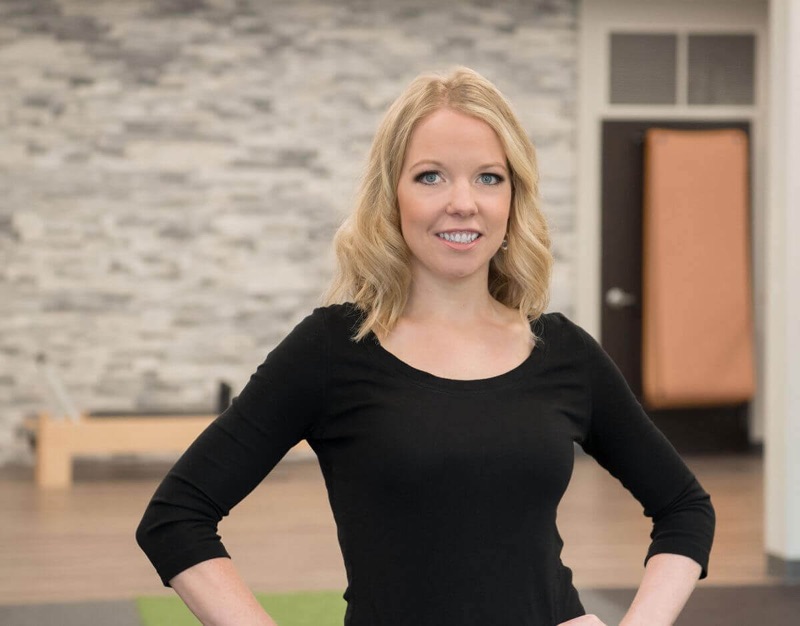
Dr. Jim Tholany, PT, DPT, OCS

Dr. Jim Tholany

PT, DPT, OCS

Dr. Aisling Linehan, PT, DPT, PRPC, WCS

Dr. Aisling Linehan

PT, DPT, PRPC, WCS

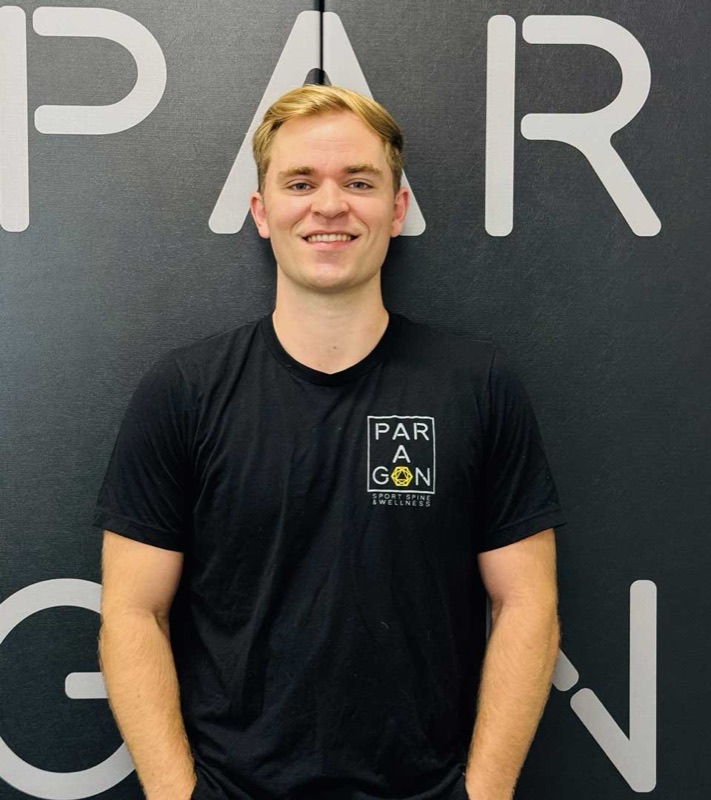
Dr. Ryan Conlon, PT, DPT

Dr. Ryan Conlon

PT, DPT

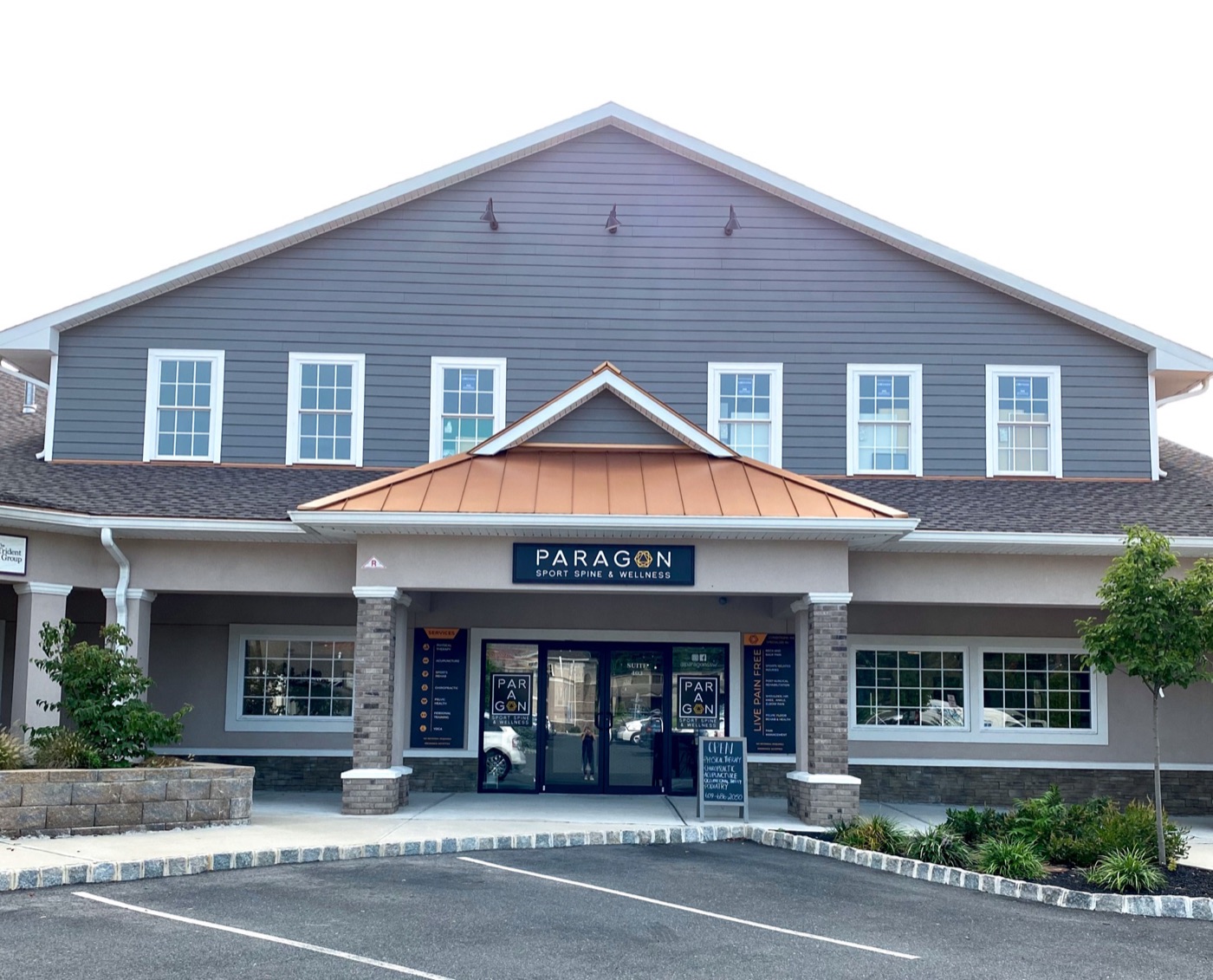
Paragon Sport Spine & Wellness building at Main Street Commons, Robbinsville NJ

Ready to feel like yourself again?

Request an appointment online or give us a call. We’ll take it from there. You’ll find us at Main Street Commons in Robbinsville, with easy parking and a wagging welcome from Milos at the front desk.