New at Paragon: StemWaveLearn more
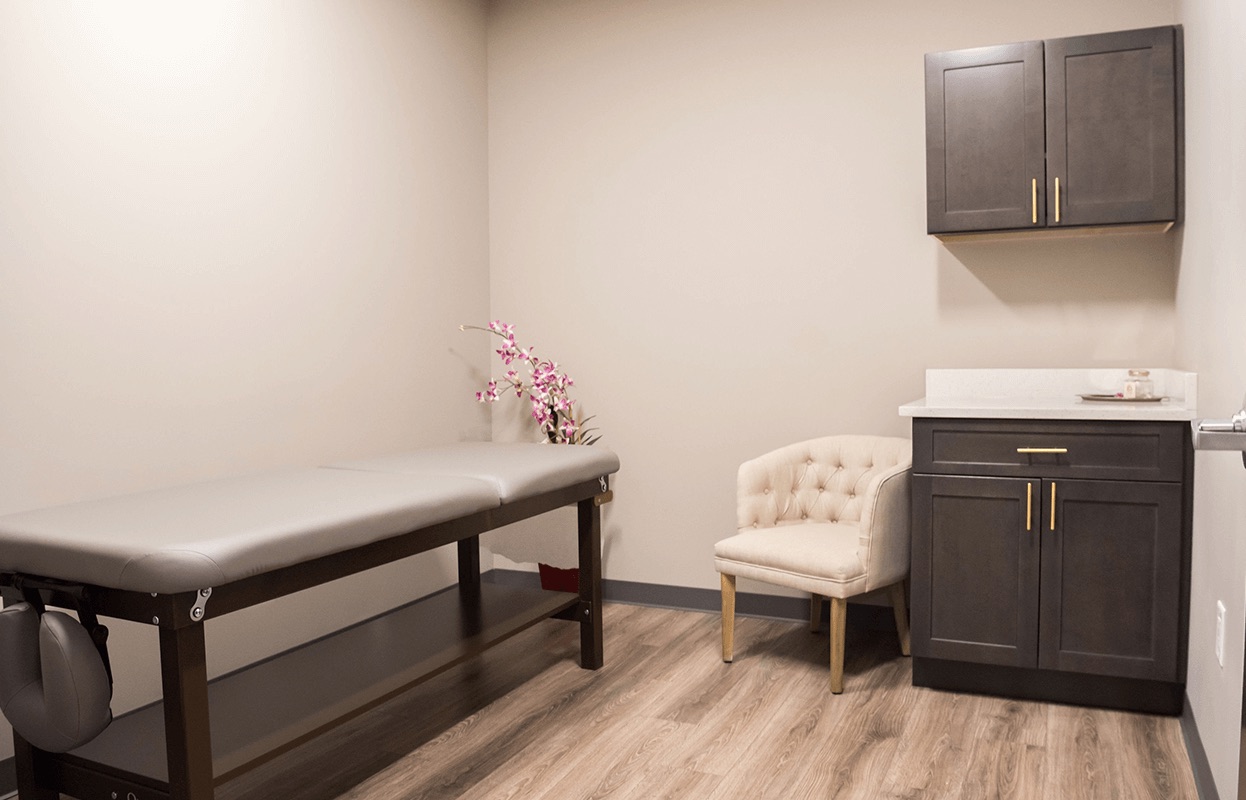
Calm private treatment room at Paragon

Neuromodulation for chronic nerve pain

Small implanted devices change how pain signals reach your brain, and most start with a short trial so you know it helps before you commit.

Every specialty, one roofOne shared plan for your careWe verify your insurance before your first visit

Every neuromodulation option we offer

Tap a treatment to jump to it. Every option starts with a consult, where Dr. Skoblar reviews your history, exam and imaging to make sure it’s right for you, and your care is coordinated with your therapy team.

Spinal Cord Stimulation

A small implanted device that interrupts chronic pain signals.

What is spinal cord stimulation?

Spinal cord stimulation (SCS) uses thin leads placed near the spinal cord to deliver mild electrical signals that interrupt pain before it reaches the brain.

You always try it first with a temporary trial. If it meaningfully reduces your pain, a small device is implanted. Dr. Skoblar previously served as lead neuromodulation specialist at Geisinger Medical Center.

How it can help

  • Reduces chronic back, neck and leg pain
  • A trial before any commitment
  • Can reduce reliance on opioids
  • Adjustable and reversible

Spinal Cord Stimulation may help with

  • Persistent pain after back surgery
  • Chronic radiating pain
  • Diabetic and peripheral neuropathy
  • CRPS

What to expect

  1. 1
    Trial

    Temporary leads are placed for about a week to test your relief.

  2. 2
    Implant

    If the trial succeeds, a small device is implanted in a minimally invasive procedure.

  3. 3
    Program

    Settings are fine-tuned so you get the best relief.

Dorsal Root Ganglion Stimulation

Precisely targeted stimulation for focal nerve pain.

What is DRG stimulation?

The dorsal root ganglion (DRG) is a cluster of nerve cells that acts as a gateway for pain signals from specific parts of the body.

DRG stimulation targets these structures directly, which makes it especially effective for pain in hard-to-reach areas like the foot, knee, groin or pelvis, where traditional spinal cord stimulation may fall short.

How it can help

  • Targets focal pain precisely
  • Effective for foot, knee and groin pain
  • A trial before implant
  • Can reduce medication needs

Dorsal Root Ganglion Stimulation may help with

  • CRPS
  • Nerve pain after surgery
  • Groin and pelvic nerve pain
  • Focal nerve pain

What to expect

  1. 1
    Trial

    Temporary leads test how well stimulation relieves your pain.

  2. 2
    Implant

    A small system is placed through a minimally invasive procedure.

  3. 3
    Program

    We adjust settings for optimal, targeted relief.

Peripheral Nerve Stimulation

Stimulation of a specific nerve for chronic limb and joint pain.

What is peripheral nerve stimulation?

Peripheral nerve stimulation (PNS) places a tiny lead next to a specific nerve outside the spine to block its pain signals.

It’s a minimally invasive option for chronic pain in the shoulders, knees, back, hips and other areas, and is sometimes used for a set period to calm pain without a permanent implant.

How it can help

  • Treats pain at a specific nerve
  • Minimally invasive
  • Temporary or long-term options
  • Can reduce reliance on medication

Peripheral Nerve Stimulation may help with

  • Chronic shoulder and knee pain
  • Pain after joint replacement
  • Nerve injuries
  • Chronic low back pain

What to expect

  1. 1
    Procedure

    Using ultrasound guidance, a thin lead is placed near the target nerve.

  2. 2
    Program

    A small unit delivers stimulation that you can adjust.

Occipital Nerve Stimulation

An advanced option for chronic migraines that resist other treatment.

What is occipital nerve stimulation?

For people with chronic, debilitating migraines or occipital neuralgia who haven’t found relief with medications or nerve blocks, occipital nerve stimulation can help.

Thin leads placed under the skin at the back of the head deliver mild signals to the occipital nerves, reducing how often and how badly headaches strike. As with other stimulators, a trial comes first.

How it can help

  • Reduces headache frequency and severity
  • A trial before implant
  • An option when medications fail
  • Adjustable settings

Occipital Nerve Stimulation may help with

  • Chronic migraine
  • Occipital neuralgia
  • Headaches that resist treatment

What to expect

  1. 1
    Trial

    Temporary leads test your response.

  2. 2
    Implant

    If successful, a small system is placed in a minimally invasive procedure.

  3. 3
    Program

    Stimulation is tuned for the best headache control.

Your Care Team

You’ll be in good hands

Dr. Matthew Skoblar, Interventional Pain Management

Dr. Matthew Skoblar

Interventional Pain Management

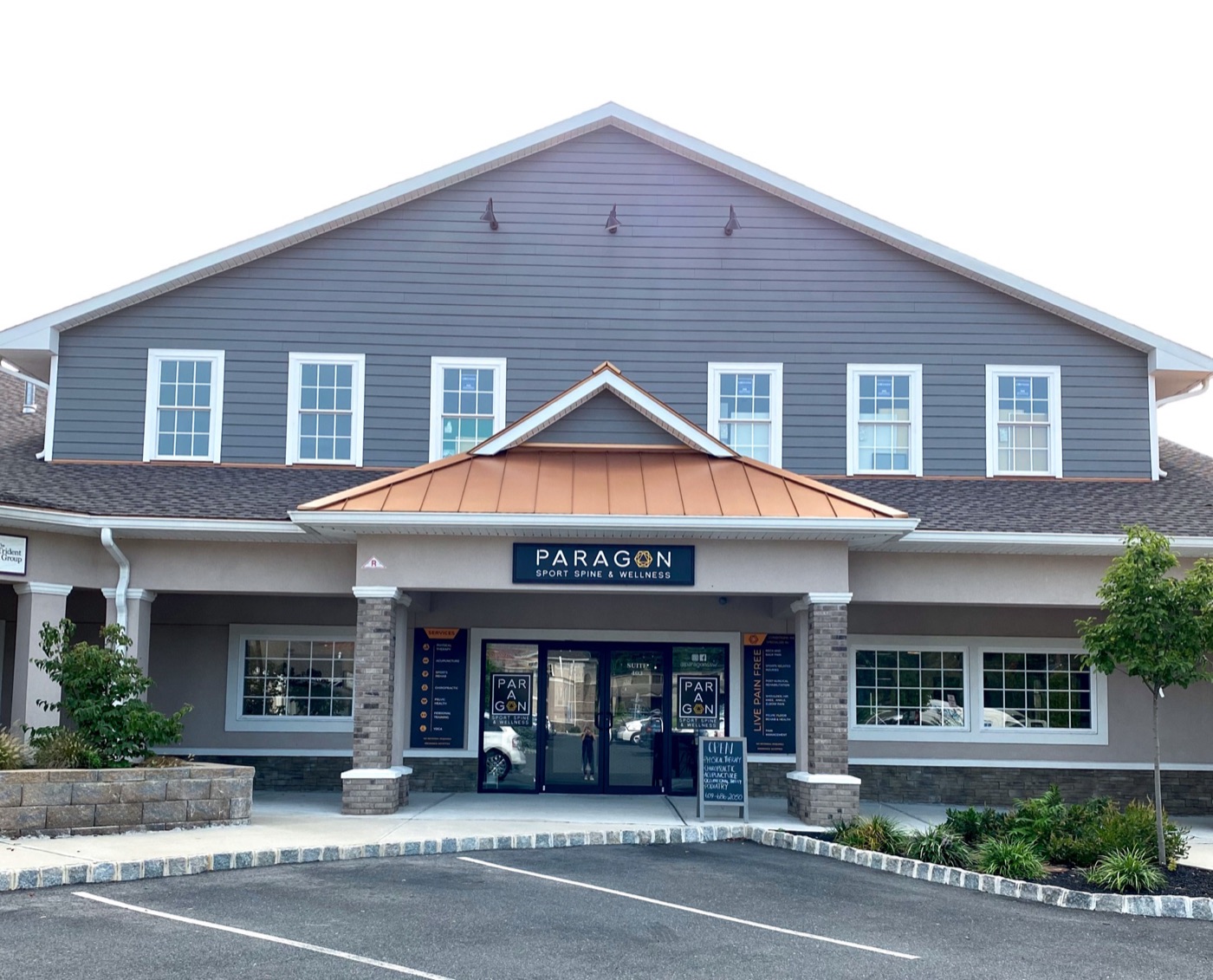
Paragon Sport Spine & Wellness building at Main Street Commons, Robbinsville NJ

Ready to feel like yourself again?

Request an appointment online or give us a call. We’ll take it from there. You’ll find us at Main Street Commons in Robbinsville, with easy parking and a wagging welcome from Milos at the front desk.