A stiff neck that will not turn when you back out of the driveway, a runner’s knee that changes your stride, or back pain that makes getting dressed difficult should not automatically mean waiting weeks to begin care. Direct access physical therapy NJ gives many patients the option to see a physical therapist first, without obtaining a physician referral before the initial visit.
That access matters when pain, weakness, dizziness, or an injury is already limiting how you work, train, care for your family, or move through daily life. The right next step is not simply getting into any appointment quickly. It is receiving a thorough evaluation that identifies what is driving the problem and establishes a safe plan to get you back to your pain-free life.
What Direct Access Physical Therapy Means in NJ
Direct access allows qualified physical therapists in New Jersey to evaluate and treat patients without a prescription or referral from a physician. You can call a physical therapy practice directly when a new injury, recurring pain, mobility limitation, balance concern, or postural problem begins affecting your function.
Physical therapists are trained to assess how your joints, muscles, nerves, balance systems, and movement patterns work together. During an evaluation, they can determine whether your symptoms appear appropriate for conservative rehabilitation or whether you need medical testing, a specialist consultation, or urgent care first.
Direct access does not mean skipping medical judgment. It means starting with a clinician who can assess movement and function promptly, recognize warning signs, and coordinate the next level of care when needed. For many orthopedic and sports-related concerns, beginning physical therapy early can help prevent compensations that allow one painful area to create problems somewhere else.
Insurance coverage is a separate question. New Jersey law may allow direct access, while a particular insurance plan may still require a referral, prior authorization, or other documentation for reimbursement. A practice should verify your benefits before treatment begins so you understand your options.
When Direct Access Physical Therapy NJ Can Help
Direct access is particularly useful when symptoms are affecting activity but do not appear to require emergency care. A physical therapist can assess recent and longstanding concerns, then build a plan around your goals, whether that means walking comfortably, returning to a workout, lifting a child, preparing for a race, or recovering your confidence after a fall.
New injuries and sports pain
An ankle sprain, strained hamstring, shoulder pain after lifting, or knee discomfort during running may respond best when addressed before you change your mechanics for weeks or months. Rest alone can reduce irritation, but it does not always restore strength, control, mobility, or confidence under load.
A detailed physical therapy evaluation looks beyond the sore tissue. For example, persistent knee pain may involve hip weakness, limited ankle mobility, training volume changes, poor landing mechanics, or a previous injury that never fully regained strength. Treating the source of the problem creates a more durable return to sport than repeatedly chasing the location of pain.
Back, neck, and joint pain
Pain from prolonged sitting, repetitive work, lifting, arthritis, or an awkward movement can be frustrating because it often interferes with ordinary tasks before it becomes severe enough to seem like an emergency. Physical therapy can address spinal mobility, core control, nerve sensitivity, posture, lifting mechanics, joint restrictions, and the strength deficits that keep symptoms recurring.
The timeline depends on the condition. A recent muscle strain may improve quickly with the right activity progression. Chronic sciatica, arthritis, or pain following multiple injuries may require a more layered plan and collaboration with other providers. Starting with a clear assessment helps set realistic expectations rather than relying on generic exercises.
Dizziness, balance, and vestibular concerns
Some forms of dizziness and vertigo respond well to vestibular rehabilitation. A trained clinician can evaluate eye movements, balance, gait, positional symptoms, and the way your nervous system responds to movement. Because dizziness may also have cardiovascular, neurological, medication-related, or other medical causes, careful screening is essential.
Direct access can be a useful entry point, but it is not a reason to ignore sudden or severe symptoms. New dizziness accompanied by weakness, facial drooping, severe headache, speech difficulty, chest pain, fainting, or major coordination changes needs immediate medical attention.
Pelvic floor and postpartum symptoms
Bladder leakage, pelvic pressure, painful intercourse, constipation, abdominal separation, and persistent pain after pregnancy are common concerns that deserve clinical attention, not silent endurance. Pelvic floor physical therapy can assess the muscles, breathing patterns, posture, core function, hip mobility, and daily habits that may contribute to symptoms.
Direct access can make it easier to begin a private, individualized conversation and receive care sooner. Depending on your symptoms, your therapist may also recommend coordination with your obstetrician-gynecologist, urologist, gastroenterologist, or primary care provider.
When You Should Seek Medical Care First
Physical therapy is not the correct first stop for every condition. Seek emergency care for symptoms such as chest pain, sudden shortness of breath, signs of stroke, uncontrolled bleeding, a suspected fracture or dislocation, severe trauma, or sudden loss of bowel or bladder control with back pain.
You should also contact a medical provider promptly for unexplained fever, night sweats, major unexplained weight loss, progressive numbness or weakness, severe unrelenting pain, a hot and swollen joint, or pain associated with a known cancer diagnosis. A responsible physical therapist screens for these concerns and refers when the presentation falls outside conservative rehabilitation.
If you recently had surgery, your surgeon’s protocol may guide when and how therapy begins. Direct access can still simplify scheduling, but following surgical precautions and coordinating with the surgical team protects your recovery.
What a High-Quality First Visit Should Include
A quick diagnosis based only on where it hurts can miss the reason pain keeps returning. Your first appointment should give your clinician enough time to understand your history, current symptoms, health factors, activities, and goals.
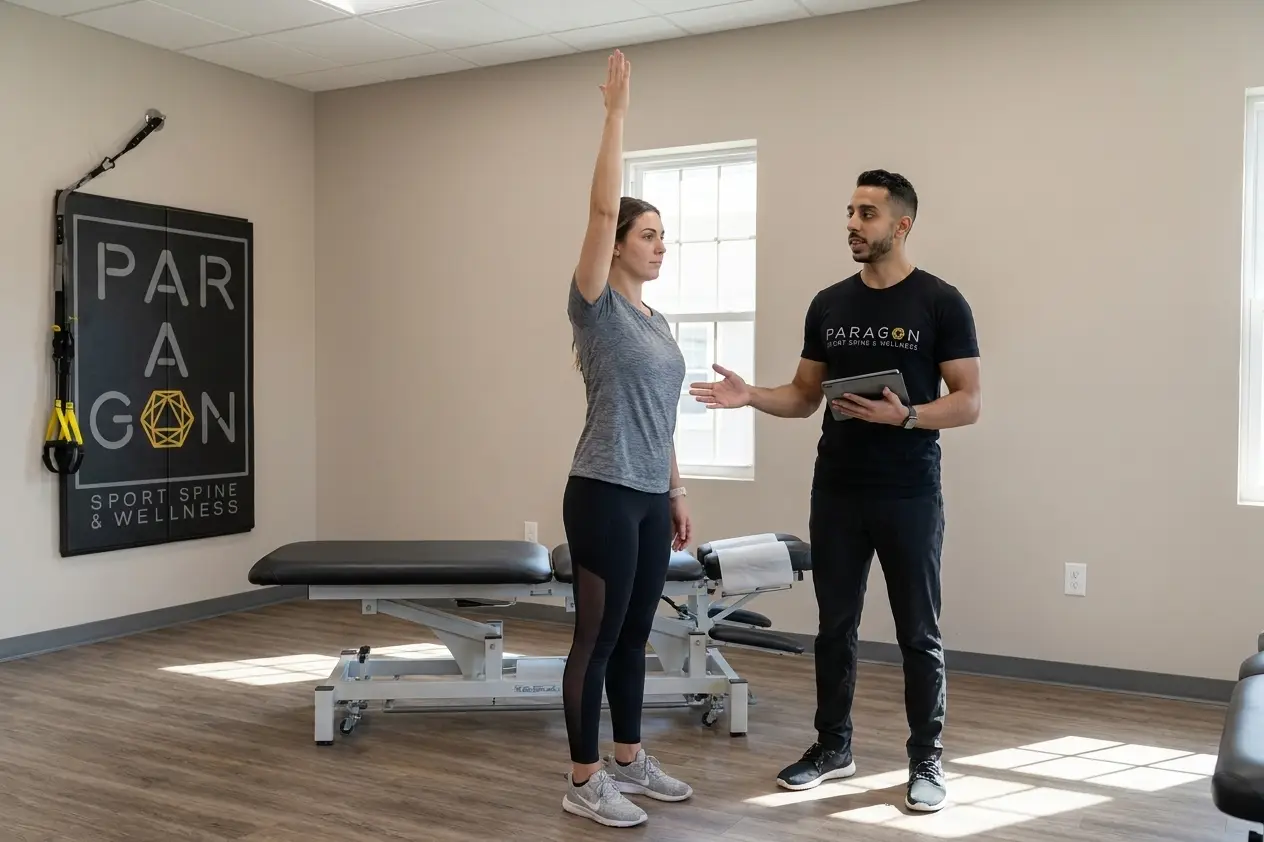
At Paragon Sport Spine & Wellness, new patients receive a 75-minute head-to-toe evaluation. That extended assessment allows the provider to examine movement, strength, flexibility, joint motion, posture, gait, balance, neurological signs, and the specific tasks that bring on symptoms. The goal is to target the source of your pain, not offer a one-size-fits-all treatment plan.
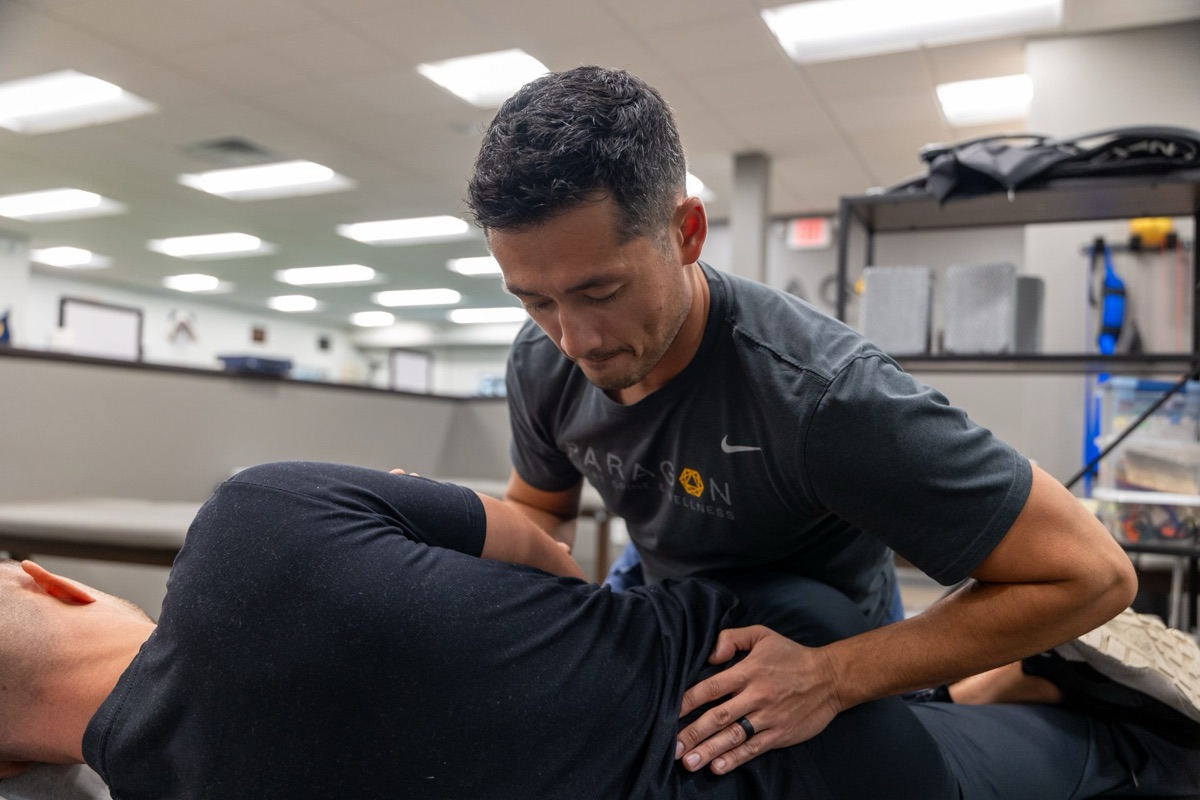
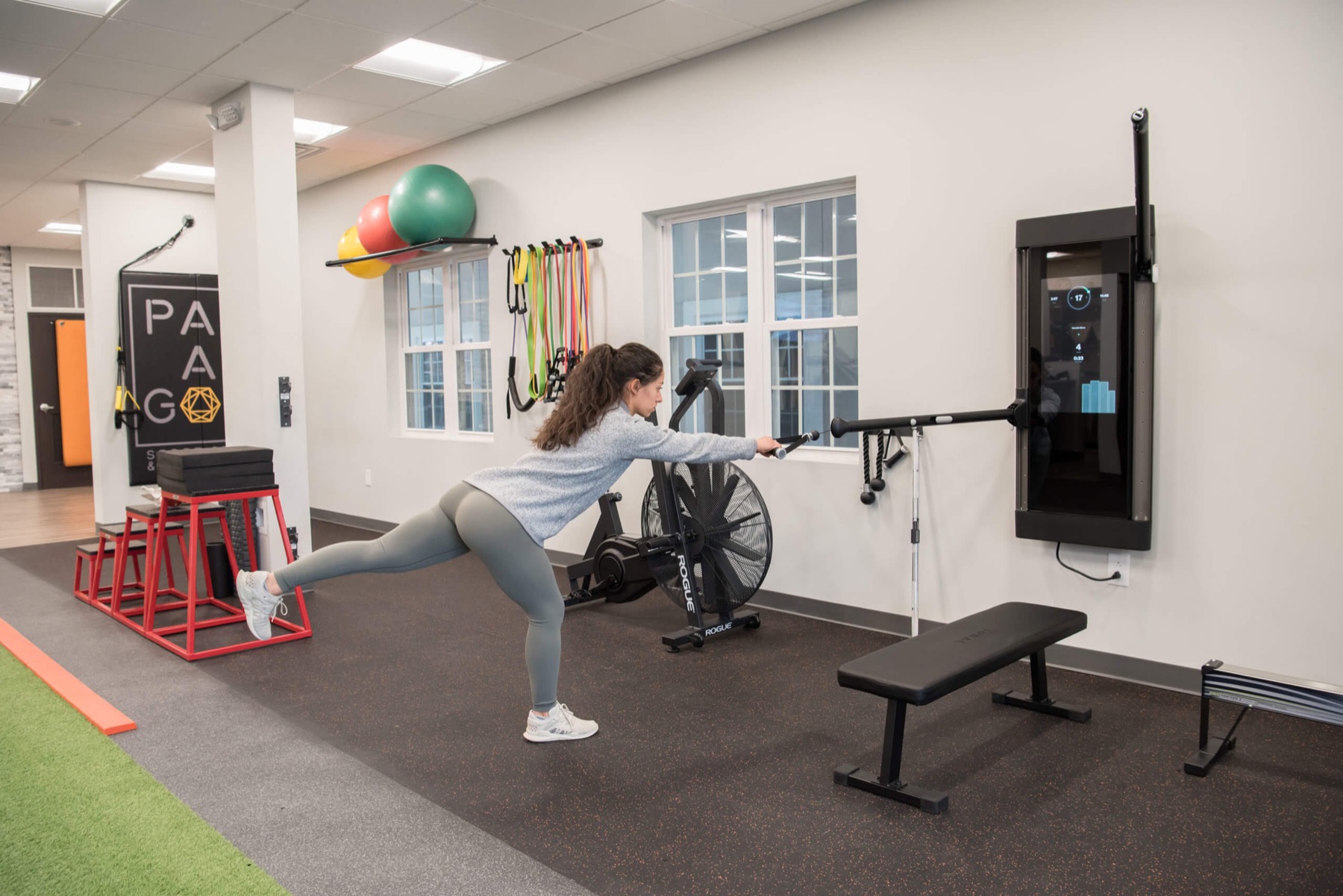
Treatment may include hands-on therapy, progressive exercise, neuromuscular re-education, sport-specific training, vestibular techniques, pelvic floor rehabilitation, or education on pacing and body mechanics. The exact approach depends on your diagnosis, irritability level, medical history, and functional goals. A competitive athlete returning to cutting and jumping needs a different progression than an older adult working toward safer stair climbing.
One-on-one sessions also matter. Consistent provider attention allows your program to change as you respond, rather than leaving you to repeat exercises that no longer match what your body needs.
How to Prepare for Your Appointment
Bring a list of medications, relevant imaging or medical records, and details about previous injuries or surgeries. Wear clothing that permits the therapist to examine the affected area and watch you move. It also helps to describe what you could do before symptoms began, what now feels limited, and what activities you most want to return to.
Be specific about aggravating patterns. Does your shoulder hurt only after 20 minutes of overhead work? Does back pain appear after sitting but ease with walking? Does dizziness happen when you roll in bed or turn your head? Those details help guide the examination and make treatment more precise.
You do not need to wait until pain becomes unbearable to seek care. If a problem is changing your movement, limiting your independence, or keeping you from the activities that make you feel like yourself, a direct-access evaluation can provide a clear, clinically grounded path forward.