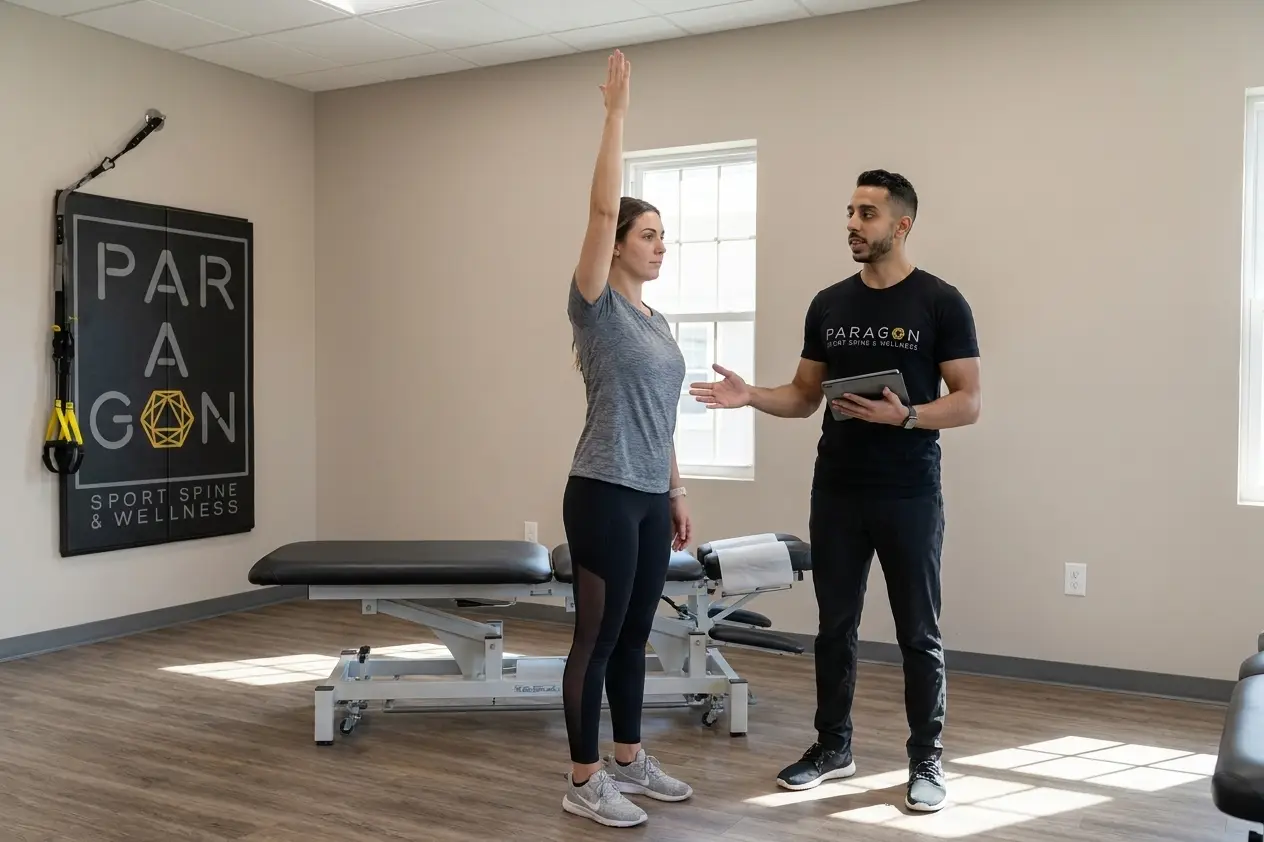
A rushed therapy visit can leave you with more questions than progress. You may receive a quick exercise sheet, spend much of the appointment with an aide, or feel that the clinician never had time to understand why your pain started. One on one physical therapy is different because your provider stays involved in the details: how you move, what aggravates symptoms, what has already failed, and what you need to return to doing.
For someone managing back pain, a sports injury, dizziness, pelvic floor symptoms, or recovery after surgery, that attention can change the direction of care. The goal is not simply to get through a set of exercises. It is to target the source of your pain and build the strength, mobility, control, and confidence required for real life.
What One on One Physical Therapy Changes
One-on-one care means your physical therapist is dedicated to you for the full treatment session. There is no double-booking, no handoff of most of your appointment to an unlicensed assistant, and no one-size-fits-all routine delivered before your body is ready for it.
That level of attention matters because pain and movement limitations rarely exist in isolation. A runner with knee pain may have limited ankle mobility, weak hip control, or a training-load issue. A patient with neck pain and headaches may also have shoulder restrictions, poor postural endurance, jaw tension, or a vestibular component. Someone with sciatica may need a careful neurological screen alongside an assessment of spinal movement, hip mobility, and daily lifting mechanics.
With a dedicated provider, treatment can change in real time. If a movement reproduces symptoms, your therapist can identify whether the response is expected, modify the exercise, or investigate another contributor. If you are progressing faster than expected, the plan can advance instead of repeating the same session out of habit.
A Thorough Evaluation Comes Before a Treatment Plan
Effective rehabilitation begins with a clear diagnosis of the functional problem, not an assumption based on the painful area alone. At Paragon Sport Spine & Wellness, new patients receive a 75-minute head-to-toe evaluation designed to understand the full picture.
Your therapist may assess posture, range of motion, strength, balance, gait, joint mobility, muscle activation, coordination, sensation, reflexes, and task-specific movement. For an athlete, that may include running mechanics, jumping, throwing, cutting, or lifting. For an older adult, it may include stair climbing, transfers, walking tolerance, and fall-risk factors. For a postpartum patient, the assessment may consider breathing patterns, abdominal wall function, pelvic floor coordination, and return-to-exercise goals.
The conversation is equally valuable. Your provider needs to know when symptoms occur, what helps, how sleep is affected, whether you have numbness or weakness, what your work requires, and what a successful recovery would allow you to do. These details help separate a symptom-management plan from a plan that addresses the drivers of dysfunction.
Who Benefits From Individual Physical Therapy?
One-on-one treatment is especially valuable when symptoms are complex, recovery has stalled, or the demands of your life require a more precise plan. It can benefit people with acute injuries as well as chronic conditions that have persisted for months or years.
Patients often seek this model for low back pain, sciatica, neck and shoulder pain, arthritis, post-surgical rehabilitation, tendon injuries, sports injuries, concussion recovery, vertigo, and neurological movement changes. It is also a strong fit for people who need pelvic floor therapy for pelvic pain, bladder or bowel concerns, pregnancy-related discomfort, or postpartum recovery.
It is not limited to serious diagnoses. If you have avoided running because of recurring shin pain, stopped playing tennis because of shoulder discomfort, or struggle to get through a workday without stiffness, individualized care can help identify what your body needs before the limitation grows.
What Happens During a One-on-One Session?
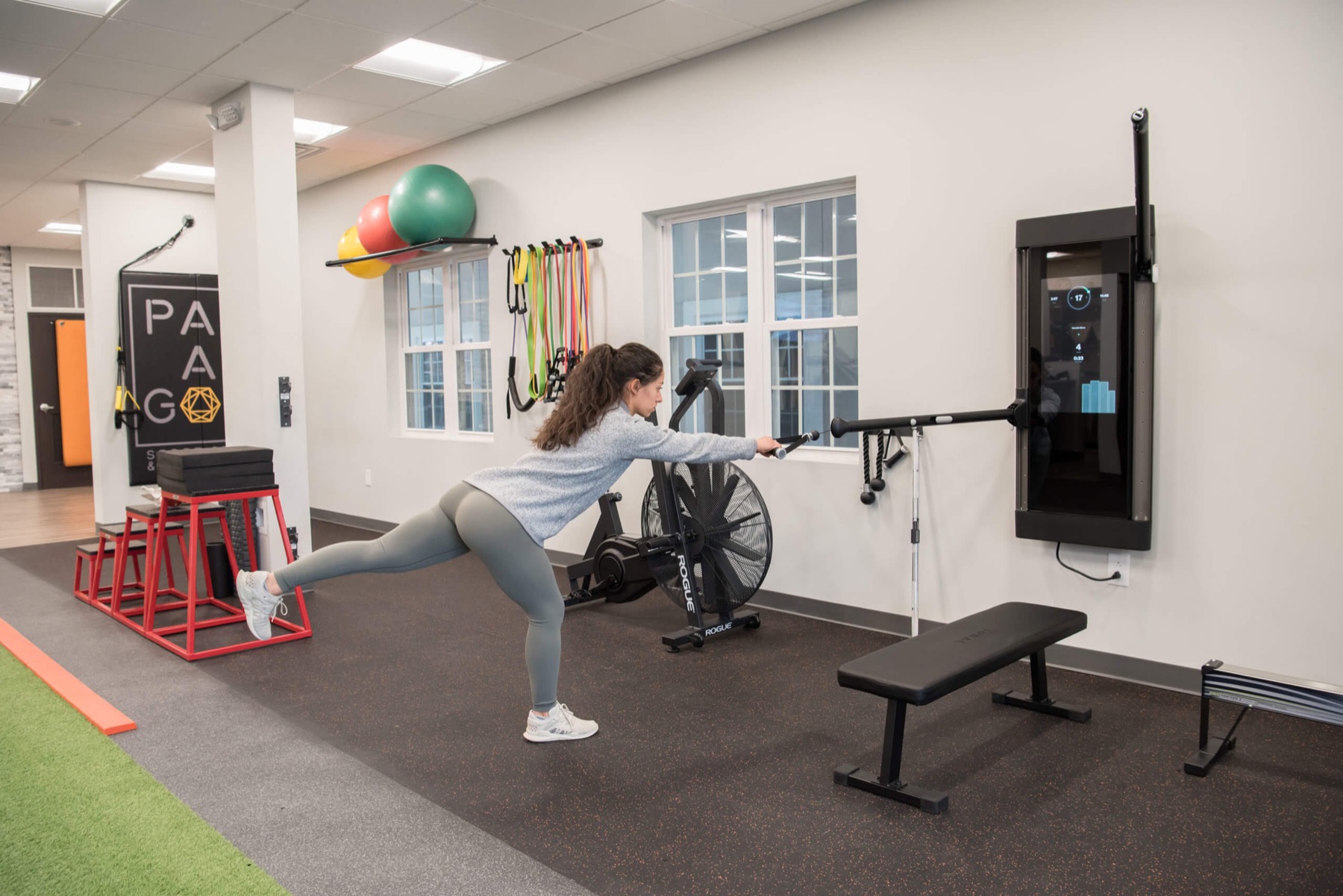
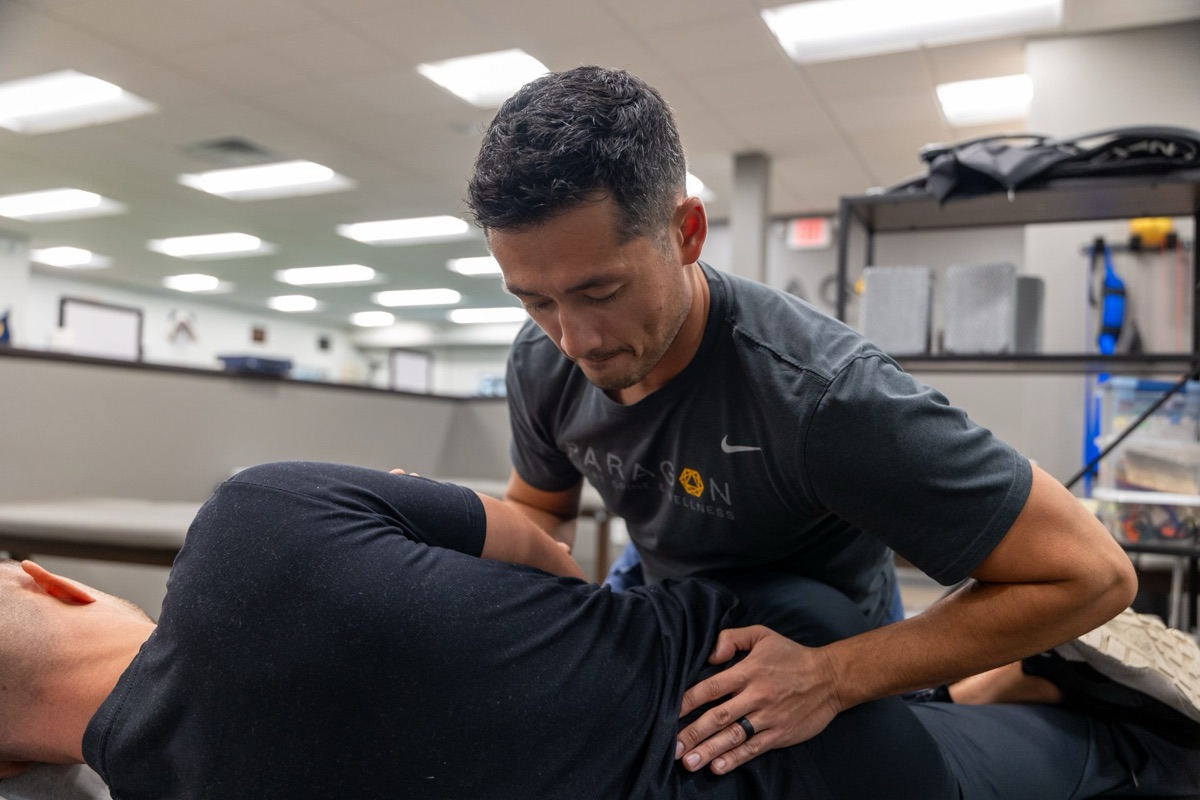
Each session should have a purpose connected to your goals. Some visits emphasize hands-on techniques to improve joint or soft-tissue mobility and reduce guarding. Others focus more heavily on progressive strength training, balance work, neuromuscular re-education, or graded exposure to an activity you have been avoiding.
The right mix depends on your condition. Manual therapy may help create a window for more comfortable movement, but it should not be the entire plan when strength, endurance, coordination, or tissue capacity is the underlying issue. Likewise, exercise is essential for most patients, but an exercise program must match your current symptoms and movement quality. Pushing too fast can flare symptoms, while progressing too slowly can leave you stuck.
Your therapist should explain what each intervention is intended to improve and how it connects to daily function. You may practice lifting a child without back strain, returning to a squat after knee surgery, safely turning your head while driving, or rebuilding single-leg control before returning to a sport. Between visits, you will have a focused home program that reinforces progress without overwhelming your schedule.
Progress is measured by more than pain scores. Less pain matters, but so do longer walking tolerance, better sleep, stronger stairs, improved range of motion, faster reaction time, greater training capacity, and confidence in the activities that once felt risky.
Coordinated Care When Physical Therapy Is Only Part of the Answer
Some conditions need more than physical therapy alone. Persistent pain can involve orthopedic, neurological, inflammatory, or nerve-related factors that deserve additional evaluation. A patient with severe radicular pain, for example, may need coordinated care that includes physical therapy and physician-directed pain management. Someone with dizziness may benefit from vestibular rehabilitation, while a postpartum patient may need specialized pelvic floor treatment.
An integrated setting reduces the burden of trying to coordinate separate providers on your own. Physical therapists, chiropractors, acupuncturists, occupational therapists, pelvic health clinicians, and pain-management providers can communicate around the same recovery goal. When appropriate, conservative treatment can be paired with medical options such as diagnostic injections, medial branch blocks, or other interventions intended to clarify or reduce pain generators.
That does not mean every patient needs every service. The best care is selective. Your plan should include the disciplines and treatments that fit your examination findings, preferences, and response to care, not a predetermined menu of services.
How to Know If the Model Is Right for You
When choosing a physical therapy provider, ask who will perform your evaluation, who will be with you during treatment, and how the plan will be adjusted when symptoms change. Ask whether your goals will be measured in meaningful functional terms, not just whether your pain is lower at the end of a visit.
You should also feel comfortable asking about direct access. In New Jersey, many patients can begin physical therapy without waiting for a physician referral, although insurance requirements and individual medical circumstances can vary. A provider can help you understand the appropriate path, especially if your symptoms include significant weakness, progressive numbness, unexplained weight loss, fever, bowel or bladder changes, or pain after a major trauma. Those concerns may require prompt medical evaluation before rehabilitation begins.
One-on-one care is not about making therapy feel exclusive. It is about making the clinical process accountable to you. When your provider has the time to listen, assess, teach, and progress your treatment, you have a stronger foundation to move with less pain and get back to your pain-free life.