A sore back that returns every time you load groceries into the car is not simply a back problem. Neither is shoulder pain that appears halfway through a tennis match, dizziness when you turn your head, or knee pain that makes stairs feel uncertain. Physical therapy Robbinsville NJ patients choose should look beyond the painful spot and identify why the body is no longer moving, loading, or recovering well.
The right plan does more than make symptoms quieter for a few days. It helps you get back to your pain-free life with the strength, mobility, endurance, and confidence your daily routine demands. For some people, that means returning to a workout or sport. For others, it means getting through work, caring for family, sleeping comfortably, or walking without planning every step around pain.
What Physical Therapy in Robbinsville NJ Should Address
Pain is often the final signal of a problem that has been building over time. A runner with hip pain may have limited ankle mobility, poor single-leg control, or training loads that outpaced recovery. Someone with neck pain and headaches may also have postural strain, reduced thoracic mobility, jaw tension, or weakness around the shoulder blades. After surgery, the surgical site matters, but so do gait mechanics, balance, swelling, strength, and the movement habits that developed before and after the procedure.
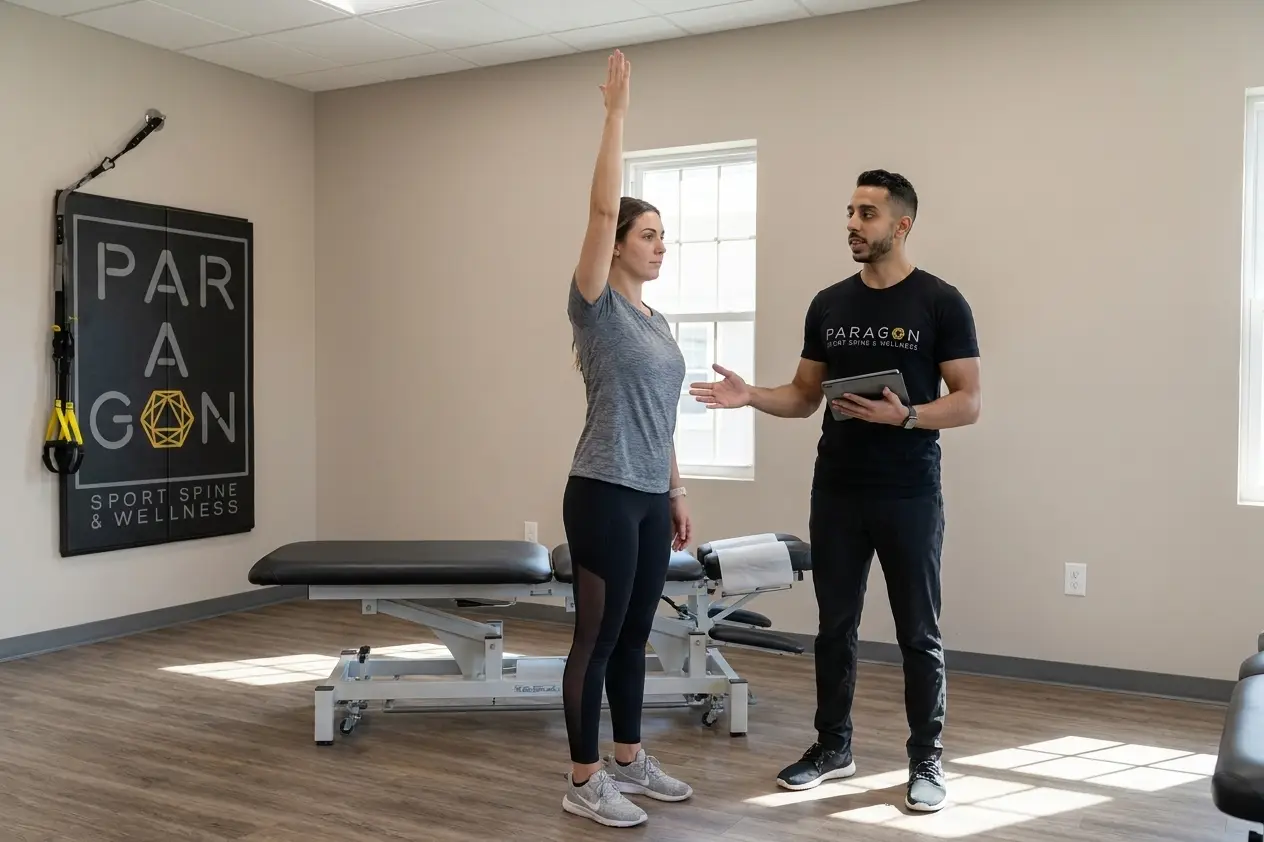
That is why an effective evaluation should not begin and end with the body part named on a referral. A clinician needs to understand your history, the onset of symptoms, aggravating activities, previous injuries, medical considerations, and personal goals. They should watch how you move, assess range of motion and strength, and look at how multiple regions work together.
At Paragon Sport Spine & Wellness, a 75-minute new-patient evaluation gives the provider time to perform that head-to-toe assessment and build a plan around the person, not just a diagnosis code. The goal is to target the source of your pain while recognizing that some conditions have more than one driver.
One-on-One Care Changes the Recovery Process
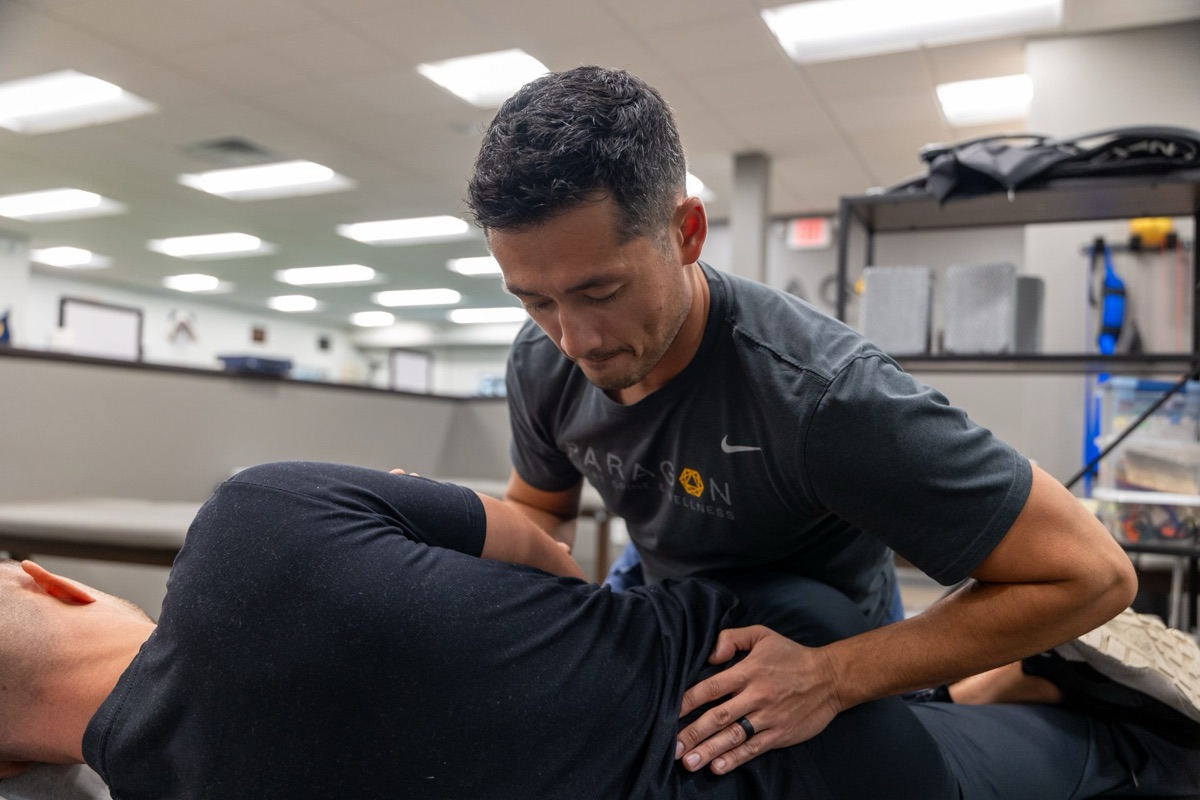
Physical therapy is not passive care. Heat, ice, manual therapy, and other clinical modalities can be useful when they support the plan, especially early in recovery when pain or stiffness limits movement. But lasting functional improvement usually requires skilled progression: the right exercise, at the right intensity, with the right form, at the right time.
That is difficult to deliver in a rushed, double-booked environment. Dedicated one-on-one sessions allow your physical therapist to reassess symptoms, modify techniques, advance exercises, and teach you how to move safely outside the clinic. If a squat causes knee pain, for example, the answer is not always to stop squatting forever. It may be to adjust depth, foot position, trunk control, load, or the timing of progression while building the strength needed for the activity.
Progress is rarely perfectly linear. A chronic pain condition may require a slower increase in activity than a recent ankle sprain. A competitive athlete may need a demanding return-to-sport plan, while an older adult recovering from a fall may prioritize balance, leg strength, and confidence in the community. Good care accounts for those differences without losing sight of measurable goals.
Conditions That Benefit From a Broader Evaluation
Many people wait too long to seek care because they assume pain must be severe before physical therapy is worthwhile. Early treatment can help prevent a short-term issue from becoming a long-standing movement problem. It can also clarify when symptoms need a different level of medical evaluation.
Physical therapy may help patients managing back pain, sciatica, neck pain, shoulder injuries, hip and knee pain, arthritis-related stiffness, tendinopathy, sprains, post-operative limitations, and repetitive-use injuries. It also has a central role in sports rehabilitation, concussion recovery, vestibular rehabilitation for dizziness or vertigo, neurological rehabilitation, and pelvic floor dysfunction.
Pelvic floor therapy deserves particular attention because symptoms are often minimized or treated as something patients must simply live with. Urinary leakage, urgency, pelvic pain, pain with intercourse, constipation, pregnancy-related discomfort, and postpartum changes can be related to pelvic floor coordination, muscle function, pressure management, and movement patterns. A thoughtful assessment can address these concerns with privacy, clinical skill, and an individualized plan.
For athletes, the clinical question is not only whether pain has decreased. It is whether the body can tolerate sprinting, cutting, jumping, throwing, lifting, or the volume of training required by the sport. Returning too soon because daily walking feels fine can lead to reinjury when the actual demands of competition are much higher.
When Coordinated Care Matters
Some problems are straightforward. A mild ankle sprain may respond well to focused rehabilitation and a gradual return to activity. Other cases involve several factors: persistent nerve symptoms, significant spinal pain, recurrent migraines, severe joint degeneration, or pain that has not improved despite previous treatment.
In those situations, patients benefit when physical therapy is part of a coordinated clinical team rather than an isolated service. Chiropractic care, acupuncture, occupational therapy, vestibular care, pelvic floor treatment, sports rehabilitation, and physician-directed pain management can be considered within the same care setting when appropriate. The benefit is practical as well as clinical: providers can communicate about your response to treatment and adjust the plan without leaving you to coordinate separate offices on your own.
Conservative treatment remains the starting point for many conditions, but it is not the only tool. When indicated, interventional options such as medial branch blocks, hyaluronic acid injections, peripheral nerve stimulation, or endoscopic discectomy may be considered by the appropriate physician. These procedures are not replacements for rehabilitation. In the right circumstance, they can reduce a barrier to movement and make active recovery more productive. Whether they make sense depends on the diagnosis, imaging when needed, prior care, symptom pattern, and your functional limitations.
What a Strong Plan Looks Like Outside the Clinic
The best treatment plan should fit into real life. If you work on your feet, the program should help you tolerate standing, walking, lifting, and changing positions. If you are a parent lifting a child, those mechanics should be part of your recovery. If you are training for a race, rehab should connect directly to your mileage, pace, terrain, and event timeline.
A good home program is focused rather than overwhelming. You need to know which exercises matter, how often to perform them, what level of discomfort is acceptable, and which symptoms mean you should contact your provider. Mild muscular effort or temporary soreness can be part of strengthening. New numbness, escalating radiating pain, marked swelling, unexplained weakness, or a major change in function deserves prompt clinical attention.
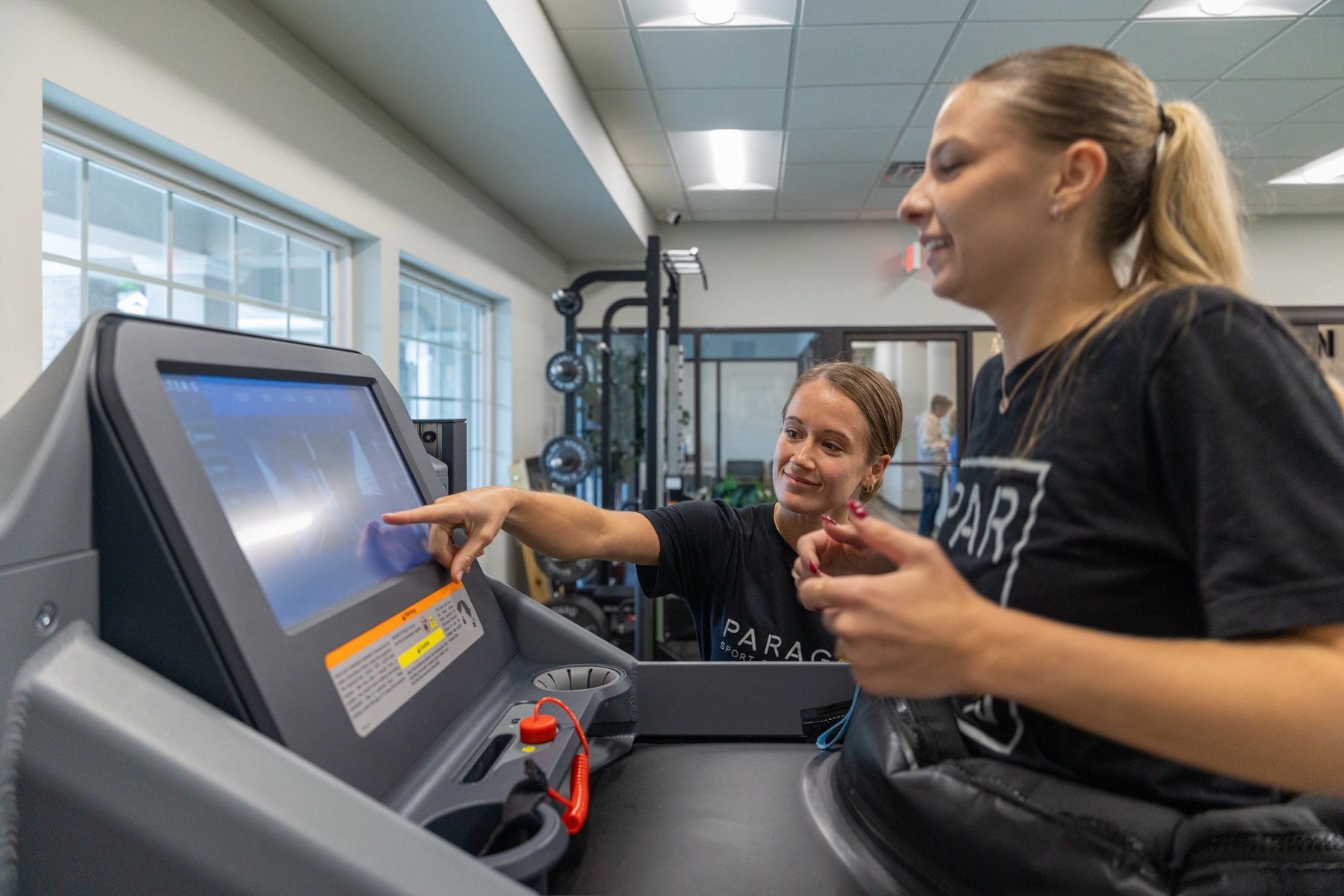
Your therapist should also explain why each element of the plan matters. Education is not an extra. Knowing how to pace activity, modify a task, manage flare-ups, and progress safely gives you more control over recovery between appointments.
Choosing Physical Therapy in Robbinsville NJ
When comparing options, ask how much time is devoted to the initial evaluation and whether you will receive direct attention from your provider during every visit. Ask whether the clinic treats your specific concern, whether progress is measured against meaningful goals, and how care is coordinated if your condition requires more than one specialty.
Convenience matters, but it should not be the only factor. A plan built around quick symptom relief may feel easier at first, yet it can leave the underlying movement problem untouched. On the other hand, the most intensive approach is not automatically best either. The right amount of treatment depends on your condition, goals, response to care, and ability to follow through at home.
Pain can narrow your life gradually until activities you once did without thought feel like risks. Getting evaluated early gives you clear direction, a realistic starting point, and a path toward moving with less fear and more freedom.